
Ever wondered why your car suddenly starts steaming on a hot summer drive, or what you should do when the temperature gauge spikes? Car overheating isn’t just inconvenient—it can cause costly repairs, sideline your weekend plans, and leave you stranded miles from home. Whether you’re a daily commuter or planning a long trip, knowing the signs and causes of an overheated engine can help you act before a minor issue turns into a full-blown emergency. Stay cool and drive with confidence with this essential guide.
Is Your Car Overheating in Summer? Common Signs of Car Overheating
As temperatures rise, so does the risk of car overheating, especially during summer. An overheated engine can sneak up on any driver, but learning to spot the early signs of trouble puts you in control before damage occurs. If your car overheats, ignoring early warnings can quickly escalate to harmful engine overheating, leaving you searching for a tow truck or roadside assistance. Your dashboard is the first place to look: a sudden spike in the temperature gauge or a warning light blinking red are classic distress signals.
Other clues are more obvious. Steam rising from under the hood or puddles of colored liquid (often green, orange, or pink) show your car’s cooling system may be at risk. Reduced air con performance, especially accompanied by engine pinging sounds, should prompt immediate action. Staying alert to these signs helps you pull over before excess heat damages your engine.
How to Spot Car Overheating Early: Warning Light, Steam, and Dashboard Clues
Spotting car overheating early is crucial. The temperature gauge should rest firmly in the middle; if it creeps toward “H” or a red zone, danger is looming. Most modern vehicles are also equipped with an engine overheating warning light—usually shaped like a thermometer on waves. If illuminated, this is your cue to turn off the engine and check coolant levels right away. Steam coming from the front of the car is a dramatic, unmistakable indicator of trouble. Unusual engine noises, persistent warning beeps, or engine smell in the cabin also signal a problem.
By addressing these warning signs promptly, you significantly reduce the risk of an overheating engine, minimize potential engine damage, and avoid the need for a tow truck rescue. It’s always best to act before the situation worsens—watch the dashboard, listen for changes, and check under the hood whenever safe.

What You’ll Learn About Car Overheating
Recognizing symptoms and warning signs of a car overheating
Understanding major causes and contributing factors to car overheating and overheated engine issues
Step-by-step guidance on what to do if your car overheats
Answers to common questions such as, “Is it safe to drive an overheated car?”
Preventive maintenance tips and essential checks for engine cool efficiency
Why Car Overheating Happens: The Science Behind an Overheated Engine
Every car engine generates intense heat. Without an effective cooling system, this heat quickly accumulates, causing the engine to overheat. Factors like extended traffic jams, hot summer days, and strenuous long trips push engines to the limit, making it critical for every part of your engine cool setup to work in harmony. If even one component falters—like a failing fan or a coolant leak—the system becomes unable to dissipate excess heat quickly enough.
Modern cars rely on a precisely balanced system: coolant absorbs heat and circulates it away from the engine block, while the radiator and fans disperse warmth into the air. Any disruption (such as a blocked hose or malfunctioning thermostat) can accelerate a car overheat scenario, potentially leading to serious engine damage. Understanding this science not only helps explain why engine overheating happens, but also empowers you to take better care of your car through proper maintenance and prompt troubleshooting.
How the Engine Cooling System Prevents Car Overheats
The heart of your car’s ability to prevent car overheating is its cooling system. This system includes the radiator, water pump, hoses, thermostat, cooling fans, and coolant fluid. Coolant circulates through the engine, absorbing heat, before passing through the radiator where it cools off, aided by both air flow and mechanical or electric fans. The thermostat acts as a gatekeeper, releasing coolant when engine temperatures start to rise and closing when things return to normal. If the radiator is clogged, hoses are blocked, or the water pump fails, heat build-up can overwhelm the engine within minutes.
Regular inspections and top-offs of your coolant level, combined with checks on the radiator and associated components, are critical in avoiding car overheating. Always ensure fans engage during stop-and-go traffic, and replace worn-out parts promptly. This system is designed to keep your driving experience safe—even in the hottest weather—provided you stay vigilant.
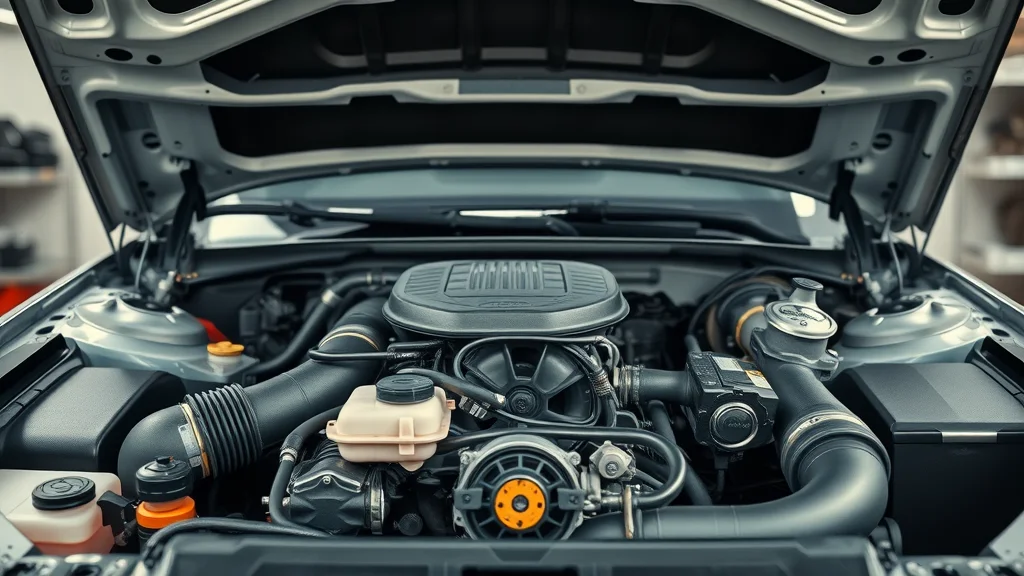
Top 10 Common Causes of Car Overheating in Summer
-
Coolant Leaks and Low Coolant Levels: The #1 Culprit in Car Overheating
Leaks in hoses, the radiator, or the water pump can allow coolant to escape, leaving too little to properly absorb and dissipate heat. Low coolant levels are the most frequent trigger for an overheating engine. Always check under your car for colored puddles and keep an eye on your coolant reservoir to catch wears or leaks early.
-
Malfunctioning Radiator and Engine Overheating
A radiator blocked by debris or suffering from internal corrosion can no longer effectively release heat. Without swift coolant flow and efficient heat transfer, your engine overheats, especially in summer’s heat.
-
Broken or Failing Thermostat Impacts Engine Cool
If the thermostat sticks closed, coolant flow stops and your engine temperature skyrockets. A malfunction here often causes sudden car overheat problems, typically witnessed by a temperature gauge jump.
-
Faulty Cooling Fan or Electrical Issues
If the cooling fan won’t turn on—perhaps due to a blown fuse or sensor error—heat isn’t blown away from the radiator. This is particularly risky during idling with the air con running, causing fast engine overheating.
-
Water Pump Failures and Overheated Engine Risk
The water pump keeps coolant moving; failure here means stagnant, boiling coolant. Overheating quickly follows, often causing serious engine damage.
-
Clogged or Dirty Radiator
Dirt, bugs, or old coolant buildup can block radiator fins or channels, reducing cooling efficiency and triggering car overheating on long trips or hilly terrain.
-
Damaged Radiator Cap and Pressure Loss
A radiator cap that can’t properly pressurize the system lets coolant boil at a lower temperature. This means less cooling and faster heat spikes during demanding summer drives.
-
Blocked Hoses and Coolant Flow Disruptions
From collapsed hoses to internal gunk, blocked passages choke coolant flow—making your engine to cool inadequately and spiking the risk of a boiling overheat episode.
-
Low Oil Levels Impacting Engine Overheating
Oil not only lubricates but also helps dissipate engine heat. Low oil means more friction and extra heat, raising odds of an overheating engine during a summer traffic jam.
-
Extreme Weather and Driving Habits
Heat waves, constant stop-and-go traffic, or heavy hill climbs with the air con blasting stretch engine cool limits. Aggressive driving or high-speed idling can trigger even a well-maintained car to overheat, so monitor all gauges, especially on long drives.
"The majority of engine overheating incidents could have been prevented with regular checks on coolant levels and the overall cooling system." – Certified Automotive Technician
What to Do If Your Car Overheats: Step-by-Step Actions
When a car overheating emergency strikes, acting calmly can spare you costly repairs. First, keep a close eye on your temperature gauge—never ignore warning spikes. If the engine overheating warning light comes on, take immediate steps. Pull over as soon as it’s safe, turn off the engine, and open the hood carefully: wait until it’s cool enough to touch to avoid burns from steam or boiling coolant. Never remove the radiator cap when hot!
While waiting, call for roadside assistance or a tow truck if needed. Once the engine has cooled, check coolant levels and inspect for visible coolant leaks. If you safely top off coolant and the problem seems minor (such as low fluid from evaporation), drive cautiously to a nearby mechanic. However, if steam, persistent leaks, or alarming noises persist, don’t risk further engine damage—seek professional help before resuming your journey.
Immediate Safety Precautions and When to Pull Over for an Overheated Car
If your car overheats while driving, resist the urge to keep going. Instead, switch off the air con, turn on your heater to draw heat from the engine cool system, and steadily steer to the shoulder. It’s vital to stop before severe engine damage occurs. Use hazard lights and check under your car for escaping steam or drips. Only open the hood after waiting a few minutes, allowing the engine to cool and pressure to decrease. This prevents burns and accidents from releasing built-up steam.
Once safe, inspect for visible problems: split hoses, empty coolant reservoirs, or strange smells. If you don’t have emergency coolant, call a tow truck rather than risking a short drive with an overheated engine. Quick action minimizes long-term damage and avoids a ruined day on the roadside.

How to Check Coolant Levels and Avoid Further Engine Damage
Never check coolant while the engine is hot, as pressure can force hot steam and coolant to erupt dangerously. Wait for the engine to cool, then locate your coolant reservoir—a translucent plastic tank connected to the radiator. Look for minimum and maximum fill lines, and top off with the correct coolant mixture if it’s low. Spotting dried coolant residue, colored puddles, or fresh wet spots suggests possible coolant leaks that require prompt attention from a qualified mechanic.
If coolant levels repeatedly drop, or if you’re uncomfortable diagnosing leaks, schedule a professional inspection to safeguard yourself against hidden system failures or future engine overheating episodes. Addressing low coolant promptly is the best defense against larger repairs.
Visual Guide:
Preventing Car Overheating: Essential Maintenance Tips
Preventive maintenance is the smartest investment for avoiding car overheating on the hottest days and during demanding long trips. First, regularly check coolant levels and top off with the manufacturer-recommended fluid. Inspect your radiator, hoses, and engine cool fans for leaks, cracks, or build-up, especially before summer road trips. A healthy thermostat and water pump ensure optimal coolant flow; replace them according to your car’s recommended service intervals or at the first sign of trouble.
Stay proactive by scheduling cooling system flushes and pressure tests as part of your maintenance routine. These checks catch small leaks and clogs before they evolve into severe engine overheating. If you’re in doubt, a quick check by a trusted mechanic or workshop can keep your car running smooth—no matter how high the temperature climbs outside.
Regular coolant level checks and top-offs
Inspecting and maintaining your radiator, hoses, and engine cool fans
Monitoring the thermostat and water pump conditions
Troubleshooting and Diagnosing a Car That Overheats Suddenly
When a car overheats without warning, diagnosing the culprit quickly is key to avoiding a breakdown or engine damage. Start by safely pulling over and allowing the engine to cool before inspecting accessible components. Signs of leaks, bulged hoses, or dripping coolant often point to a breach in the cooling system. If you find none, attention should shift to the radiator, fan, or thermostat. Sometimes, sudden overheating car incidents are triggered by electrical issues with sensors or fan circuits—the fan may not engage, causing a quick spike in temperature. In rare cases, a blocked radiator or an internally failed water pump could give similar symptoms, especially after long trips or in hilly terrain.
If you’re unable to spot the problem or lack proper tools, seeking professional diagnostic help is your safest bet. Technicians use pressure tests and infrared thermometers to pinpoint where your cooling system is failing. Never ignore a sudden car overheat; recurring spikes signal an urgent need for further diagnosis to prevent costly repairs.

Addressing Coolant Leaks and Maintaining Proper Coolant Levels
Even small coolant leaks can be a silent threat, reducing fluid levels gradually and undermining the cooling system. Frequent top-offs or the smell of sweet antifreeze beneath your hood point to elusive leaks from hoses, radiator seams, or even the water pump. If you notice puddles or unexpected dampness under your car, have your cooling system pressure tested to reveal hidden escapes. Visual checks can help, but deep leaks often require a mechanic’s trained eye.
Keeping a steady watch on your coolant level and investigating even minor drops in fluid prevents the system from running dry. Always use the correct coolant formula as per your vehicle’s manual. Proactive maintenance not only keeps your engine cool, but also extends the life of your engine and helps avoid sudden roadside surprises.
"Coolant leaks are a silent threat—often unnoticed until your warning light signals overheating." – Vehicle Maintenance Expert
Common Causes of Overheating & Recommended Solutions
Cause |
Symptoms |
Recommended Solution |
|---|---|---|
Low Coolant Level / Coolant Leak |
Warning light, elevated temperature gauge, visible fluid under car |
Top off coolant, locate and repair leak, pressure test system |
Broken Thermostat |
Sporadic temperature gauge jumps, sudden overheating |
Replace thermostat immediately |
Damaged Radiator or Cap |
Poor cooling, bubbling coolant, loss of pressure |
Flush radiator, replace faulty cap, repair or replace radiator |
Faulty Cooling Fan |
Temperature rises in traffic, air con underperforms at stops |
Check fan circuit/relay, replace fan if needed |
Water Pump Failure |
Whining noises, visible leaks, rapid overheating |
Replace water pump promptly |
Clogged Hoses |
Inconsistent heating, engine overheat, sluggish coolant flow |
Inspect, clean, or replace hoses |
Low Oil Level |
Grinding noises, hotter running engine, oil warning light |
Check and fill oil, investigate for leaks |
Extreme Weather/Heavy Use |
Overheating on hot days or in heavy stop-go traffic |
Monitor gauges, take breaks, avoid aggressive driving |
Long-Term Engine Health: How to Avoid Recurrent Car Overheating
Consistent attention and proper maintenance are your best defenses against recurrent car overheating. Keeping a close eye on your coolant level, changing coolant at scheduled intervals, and scheduling routine system inspections form the foundation of a healthy engine. Even with a busy schedule, these small efforts spare you from expensive breakdowns down the line. Don’t forget to flush the cooling system as recommended, and check all components for wear, especially before summer road trips or after a previous overheating car episode.
Professional servicing paired with your vigilance means your car’s engine cooling system delivers peak performance—no matter how hot the weather or how far you travel. Make preventative care a habit, and driving “worry free” becomes your new normal.
The Importance of Routine Cooling System Service for Engine Overheating Prevention
Regular professional inspections—at least annually or before heavy summer driving—can spot early signs of trouble in your cooling system. Mechanics can pressure-test hoses, check the radiator cap, verify fan operation, and ensure your system is ready for seasonal demands. Routine coolant flushes remove corrosion and old fluid that might otherwise clog internal passages, keeping your engine cool even in punishing heat.
Don’t underestimate the cost savings: a simple service prevents costly repairs and keeps your vehicle running smooth for years to come. Trust routine service to be your best investment in long-term reliability and peace of mind.
People Also Ask: Expert Answers to Top Questions About Car Overheating
How do you fix a car that overheats?
Step-by-step answer with focus on coolant levels, checking for leaks, and safe practices for a car overheating
Start by pulling over safely as soon as car overheating symptoms appear (warning light, steam, high temperature gauge). Turn off the engine and let it cool with the hood open (but don’t open the radiator cap until safe). After cooling, check coolant levels in the reservoir; if low, top off with the right fluid. Look for coolant leaks or soft/bulged hoses, and patch or tighten loose connections. If overheating persists, avoid driving and call for roadside assistance or a tow truck to prevent further engine damage.
What are 10 common causes of overheating in a car?
Answer: Comprehensive list and explanation, incorporating car overheat, engine overheat, and coolant issues
The top causes for car overheating are: 1) coolant leaks, 2) low coolant level, 3) stuck thermostat, 4) broken radiator, 5) faulty radiator cap, 6) clogged hoses, 7) cooling fan failure, 8) water pump failure, 9) low engine oil, and 10) harsh driving in hot weather. These issues disrupt heat management, making your car overheat suddenly—even if it’s running smooth most of the time.
Is it safe to drive an overheated car?
Advice on the safety risks and potential engine damage from driving an overheating car
No, it’s never safe to drive a car overheating. Driving with high engine temperatures risks damage to your engine—warped cylinders, cracked blocks, and even catastrophic failure. Pull over, shut off the engine, and call for a tow truck or roadside assistance at the first warning signs. Continuing can increase the chance of costly repairs and permanent engine problems.
What causes a car to overheat all of a sudden?
Insights into rapid coolant level changes, system failures, and overheating car emergencies
Sudden overheating can happen if a hose bursts, the water pump fails, the thermostat seizes, or a big coolant leak drains fluid unexpectedly. These abrupt failures can occur during a long trip or on a hot day and often leave very little warning before the car overheat symptoms appear. Never ignore these emergencies—seek help immediately.
Frequently Asked Questions: Car Overheating and Engine Overheating
How often should you check coolant levels?
It’s wise to check coolant levels every month and before any long trip, especially during hot weather.What warning light indicates an overheating car?
The engine temperature warning light (usually a thermometer in waves) signals immediate action is needed.Can a car overheat due to weather conditions alone?
Yes, extreme ambient heat or prolonged idling in traffic can cause overheating—especially with a weak cooling system.Are there maintenance routines specific to summer heat?
Summer maintenance should include pressure checks, a radiator flush, inspection of all hoses and the thermostat, and fresh coolant for maximum protection.
Key Takeaways: Protecting Your Car from Overheating
Monitor your coolant levels and watch for any warning lights
Schedule regular engine cooling system inspections
Respond immediately to any signs of an engine overheat to avoid costly repairs
For Engine Cool Confidence, Call Darrin Today At 631 489 5555 To Experience Old School Service Alongside Cutting Edge Technology
Don’t wait for a car overheat emergency—expert, trustworthy service is just a call away. Call Darrin Today At 631 489 5555 for automotive care that blends classic know-how with modern technology and keeps your engine cool all season long!
Understanding the causes and solutions for car overheating is crucial for maintaining your vehicle’s health and ensuring safe driving. For a comprehensive overview, consider exploring the following resources:
“Car Overheating: 8 Causes and Solutions”
This article from AAA Automotive details common reasons for engine overheating, such as coolant issues, thermostat failures, and radiator problems, along with practical solutions to address each cause. (aaa.com)
“Why Is My Car Overheating? Causes & Solutions”
Haynes Manuals North America provides insights into various factors leading to engine overheating and offers step-by-step guidance on diagnosing and fixing these issues. (us.haynes.com)
If you’re serious about preventing and addressing car overheating, these resources will equip you with the knowledge and steps necessary to keep your engine running smoothly.



Write A Comment